


For B2B companies navigating long buying cycles and multiple stakeholders, sales and marketing alignment must happen early on to avoid investing time and budget in low-intent leads.'
If your organization struggles with converting leads into customers or experiences friction between teams, understanding how to refine your lead process can make a significant difference.
Let's dive into why focusing on volume isn't enough, how to improve communication and trust, and what measurable actions you can take to turn more leads into revenue.
Many organizations respond to pipeline pressure by generating more leads, assuming that greater volume translates into higher revenue. However, this approach often overlooks the importance of lead quality.
If sales teams consistently reject marketing-generated leads, the problem isn’t usually the volume of leads. It’s a breakdown in lead qualification, buyer understanding, or handoff processes.
When leads aren’t well-qualified to speak with sales or lack the necessary context, sales teams doubt their value and don’t follow up, leading to frustration and weakened trust on both sides.
Learn the top factors influencing B2B buyer behavior.
To bridge the trust gap, marketing and sales teams need a shared definition of what qualifies as a sales-ready lead. This process involves collaboration from the start: defining criteria, sharing insights, and refining processes based on real results.
Lead quality isn’t decided when prospects fill out a form. It’s determined by how effectively sales and marketing share insights before and after every buyer interaction.
What information does sales need to trust a lead?
When marketing shares insights on which sources deliver the most engaged leads, sales can communicate which behaviors indicate true buying intent. Together, they create a feedback loop that continuously improves lead quality.
To ensure the lead qualification definitions stay up to date, marketing and sales should meet regularly and revisit the criteria based on campaign performance and insights from sales conversations.
Learn how to develop product messaging that builds buyer trust.
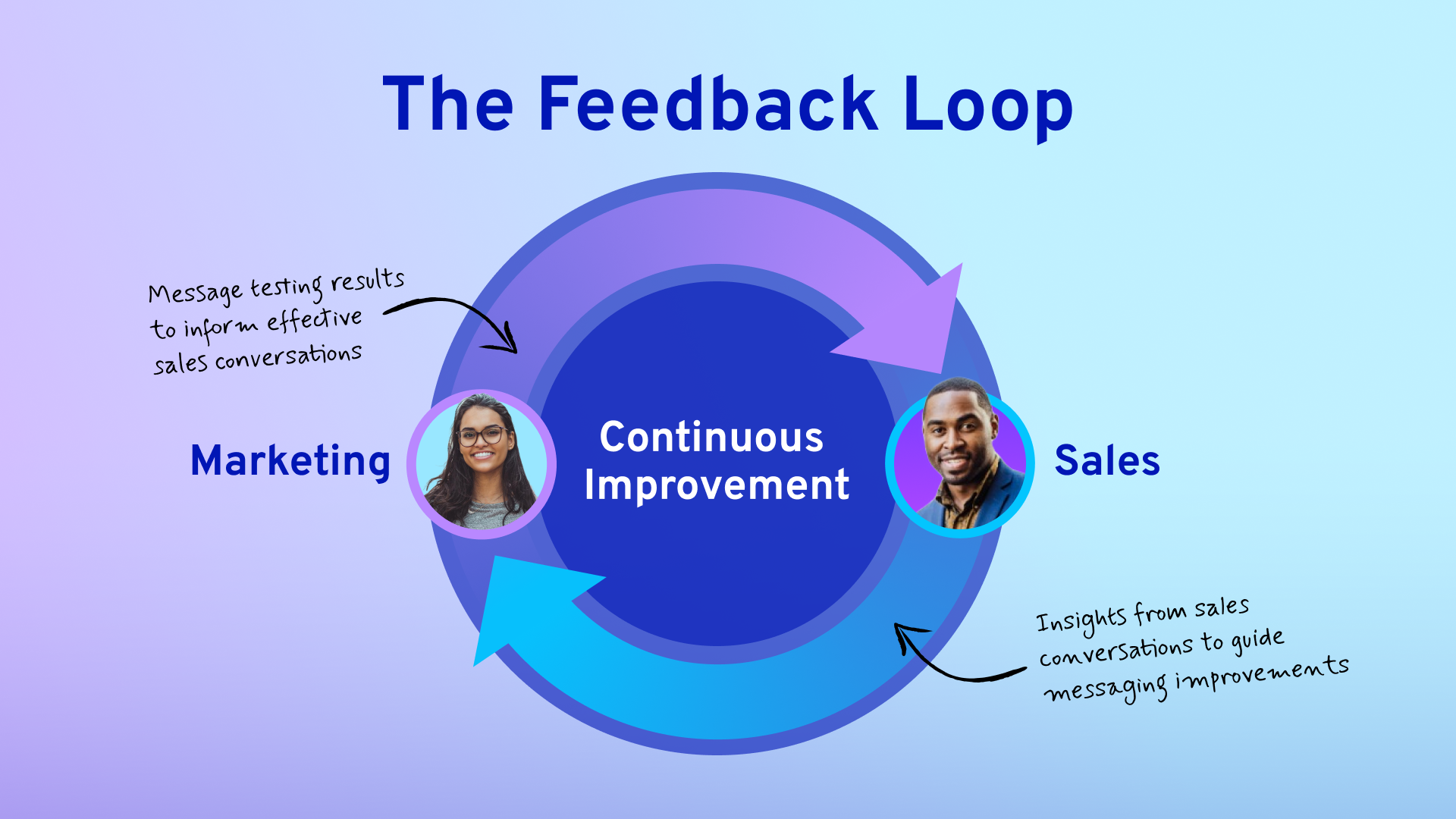
Lead quality improves when marketing understands which leads convert and sales understands what drove engagement. This means marketing not only passes leads to sales but also learns from sales about which leads advance down the funnel and convert.
Both teams must implement tools and processes to measure not just lead volume but lead progression and engagement.
Key metrics to track include:
This ongoing exchange improves lead quality, sales-ready criteria, and conversion performance.
Explore key marketing trends pushing B2B companies to rethink buyer engagement.
To truly create better sales and marketing alignment, organizations should implement actionable strategies:
These steps cultivate a culture of continuous improvement, build trust, and ultimately yield higher-quality leads and increased revenue.
Discover what marketing challenges hold your business back from growth.
by Jonathan Franchell, CEO of Ironpaper - For more tips and hacks: Need to remove a new line after h1 tags? Both web designers and SEO practitioners need to employ headline tags: H1, H2, H3 in several ways to improve web page structure and tag...

A fundamental shift is underway in how businesses discover, evaluate, and select their partners. The traditional B2B marketing model built around predictable funnels and quarterly campaigns is becoming less effective. Buyers no longer move neatly...
by Jonathan Franchell, CEO of Ironpaper - For more tips and hacks: For iOS app developers, there are some annoying parts of the development process that many developers just hate. For one, only one person can be nominated to be Team Agent on Apple's...
The Crowded Arena of the IT Marketplace Updated December 2024 The Information Technology (IT) landscape is experiencing rapid growth and intensifying competition. IT spending is projected to reach nearly 5.1 trillion U.S. dollars in 2024, a...